

Welcome To
Santa Ana Optometry, Inc.
At Santa Ana Optometry, we offer a full range of eye care services for both adults and children in Santa Ana, CA. Our mission is to safeguard and enhance your vision through compassionate, personalized, and affordable care. We proudly embrace our motto: “Happy Eyes, Happy Life.”
Our Commitment To You: We are committed to enhancing each patient’s vision and overall quality of life by delivering expert care with the latest technology.
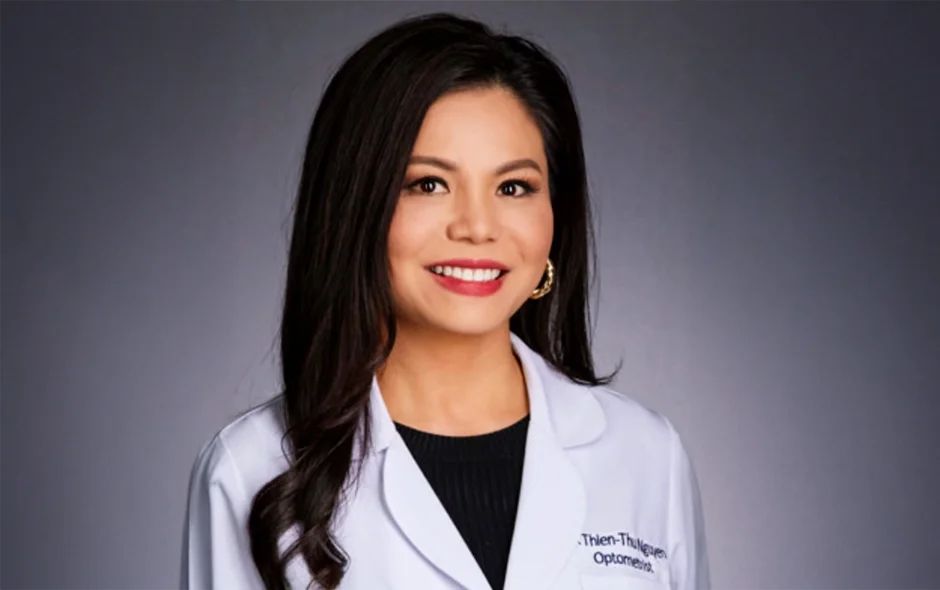
Dr. Thien-Thu Nguyen, O.D., brings a wealth of knowledge and a compassionate approach to eye care, helping you see the world more clearly. Our clinic is equipped with the latest technology to accurately diagnose and treat a range of eye conditions, from routine vision exams to more complex issues. We believe in fostering a welcoming environment where patients feel valued and informed about their eye care options. Trust us to enhance not only your vision but also your overall quality of life with professional and reliable services.
Eye Doctor Santa Ana CA
Welcome to Santa Ana Optometry, Inc., which is located in Santa Ana CA. We offer comprehensive eye care services to enhance vision and promote eye health. The top-rated Dr. Thien-Thu Nguyen O.D., has years of experience in providing safe, effective, and personalized eye care to patients in Santa Ana and surrounding areas. We want to be your Santa Ana CA eye doctor.
We invite you to visit our optometry office for a range of services, to achieve and maintain optimal vision and eye health.
Request an
Appointment
About Santa Ana Optometry, Inc.
At Santa Ana Optometry, Inc., we offer:
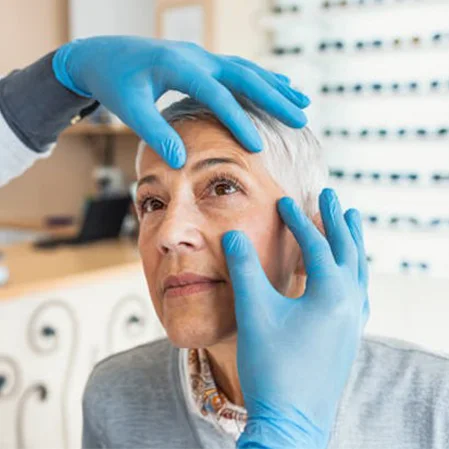
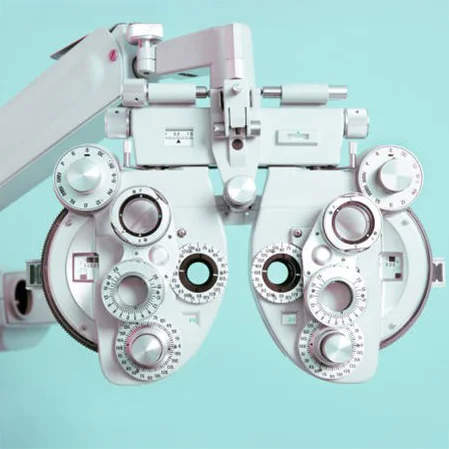
- Comprehensive eye exams
- Treatment for eye infections and injuries
- Dry eye exams and advanced dry eye therapies
- Glaucoma and diabetic eye exams
We also specialize in:
- Scleral lenses for Keratoconus, Corneal Opacity, and irregular corneas
- CRT (Ortho-K) and MiSight® lenses for myopia control
- IRPL light therapy, amniotic membrane treatment, and collagen plugs (Lacrifill) for severe dry eye and eye pain




Insurance and Payment Options
We accept a variety of insurance plans, including VSP, EyeMed, Spectera, Davis Vision, MES, Superior, Medi-Cal, Medicare, and FSA (Flexible Spending Accounts). Additionally, we collaborate with CareCredit and Sunbit to ensure our patients can easily access the care, glasses, and contact lenses they need.
The Importance of Vision Care
You may not currently experience any vision problems, but regular vision care is still essential for maintaining optimal eye health. Many serious eye conditions, such as glaucoma, diabetic retinopathy, and macular degeneration, can develop without noticeable symptoms in their early stages. Regular eye exams can detect these conditions early, allowing for timely intervention and preventing potential vision loss. Additionally, eye exams can reveal signs of systemic health issues like diabetes and high blood pressure. By prioritizing routine vision care, you ensure that any underlying issues are identified and managed before they impact your vision and overall health.
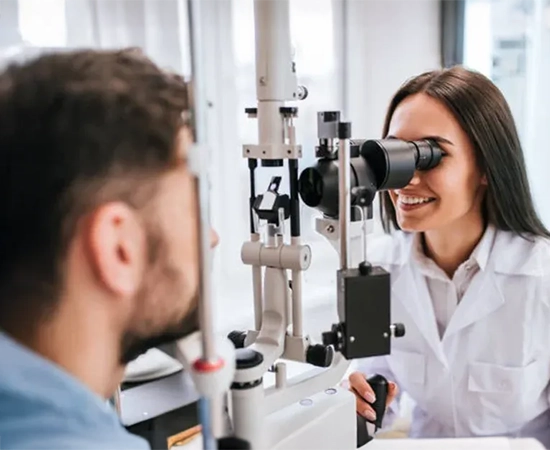

Intense Regulated Pulsed Light (IRPL) Treatment for Dry Eyes
IRPL therapy is a promising treatment for dry eye, especially linked to Meibomian Gland Dysfunction (MGD). This non-invasive method uses controlled light pulses around the eyes to stimulate and clear the meibomian glands, which are essential for tear production and eye moisture. By enhancing gland function, IRPL can relieve symptoms like irritation and redness. Clinical studies indicate significant symptom relief after multiple sessions. Consulting an eye care professional is crucial to assess suitability and discuss potential risks.
Understanding Optometry
Scleral Lenses
Scleral lenses are large-diameter, gas-permeable contact lenses that vault over the cornea and rest on the white part of the eye (the sclera). Unlike standard contacts, they create a tear-filled space between the lens and the cornea — keeping the eye constantly hydrated and protected.
They are custom-designed for patients with irregular corneas, severe dry eye, or advanced conditions like keratoconus.
Scleral lenses sit on the sclera and do not touch the cornea directly. Instead, they vault over it and trap a reservoir of sterile fluid underneath. This constant hydration improves comfort, corrects vision, and protects sensitive or damaged eye surfaces.

Myopia Management
Myopia is a vision condition where objects up close are clear, but distant objects appear blurry.
It happens when the eye grows too long or the cornea is too curved, causing light to focus in front of the retina instead of on it.
Myopia is one of the most common eye conditions in children and teens — and it often gets worse over time without treatment. Early treatment at Santa Ana Optometry, Inc. can slow or stop worsening and protect long-term vision.
What Kind of Training Does an Optometrist Have?
Optometrists undergo extensive training to become experts in eye health and vision care. Their education begins with a bachelor's degree, typically in a science-related field, followed by enrollment in a four-year optometry program at an accredited optometry school. During these four years, optometry students study various subjects, including optics, visual science, anatomy, physiology, and pathology of the eye. They also receive hands-on clinical training, where they learn to diagnose and manage a wide range of eye conditions, prescribe corrective lenses, and provide vision therapy.
In addition to their formal education, optometrists must pass a series of rigorous exams to obtain their license to practice. This includes the National Board of Examiners in Optometry (NBEO) exams, which test their knowledge and clinical skills. Some optometrists choose to further specialize in areas such as pediatric optometry, geriatric optometry, or ocular disease through residency programs, which provide an additional one to two years of focused training. Continuous education is a crucial part of their career, as they must stay updated with the latest advancements in eye care and treatment techniques to provide the best possible care for their patients.